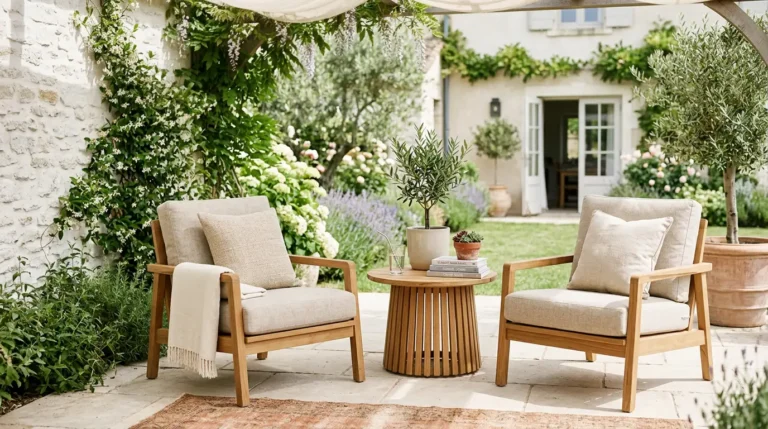
A patio chair can look great and still become uncomfortable after 20 minutes of sitting. A hard seat, thin cushions, poor back support, the wrong seat depth, or even direct afternoon sun can turn an outdoor seating area into a place people avoid using.
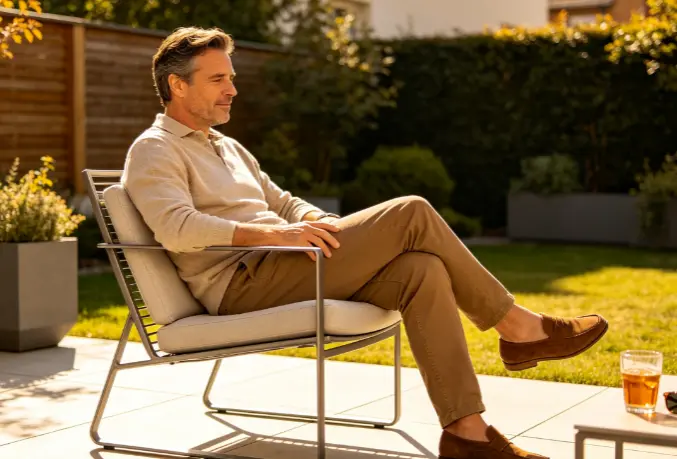
The good news is that you do not always need to replace the chair. In many cases, the right cushion, better back support, improved positioning, or a simple footrest can make a noticeable difference. However, if the chair’s dimensions or basic design are the real problem, adding more accessories may only be a temporary fix.
This guide will help you identify why your patio chair feels uncomfortable, choose the right improvement, and decide when it makes more sense to invest in a new chair.
Quick Answer: How Can You Make a Patio Chair More Comfortable?
Start with the source of the problem:
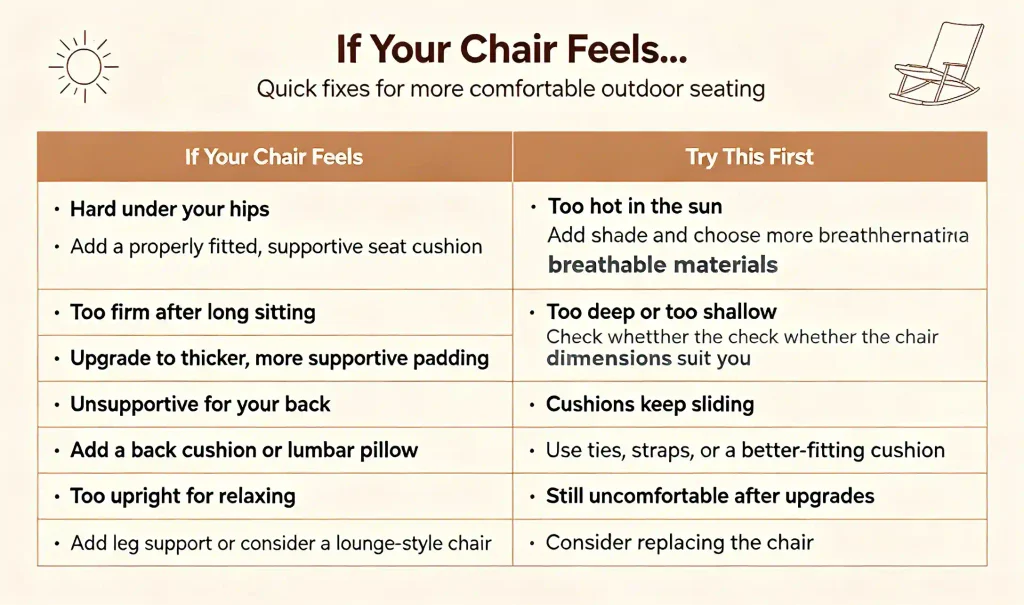
The most important rule is simple:
Match the solution to the cause of the discomfort.
Adding a thick cushion may help a hard seat, but it will not fix a chair that is too deep, too narrow, or designed for an activity different from the one you have in mind.
Start by Identifying What Is Making Your Patio Chair Uncomfortable
Before shopping for new cushions or furniture, spend a few minutes identifying the actual problem.
1. A Hard or Thin Seat
If discomfort is concentrated around your hips or thighs, the chair may simply lack enough padding. This is often the easiest problem to solve because the frame and dimensions may already work well.
A supportive outdoor seat cushion can add pressure relief without requiring you to replace the entire chair.
2. Poor Back Support
If you find yourself constantly shifting position or placing a pillow behind your lower back, the backrest may not provide enough support. A back cushion or lumbar pillow can help when the chair itself has a suitable overall shape.
However, if the chair forces you into an uncomfortable posture because of its basic design, additional pillows may not be enough.
3. Uncomfortable Leg Position
Your knees, thighs, and feet can provide useful clues.
A chair may feel uncomfortable because:
- The seat is too deep.
- The seat is too shallow.
- Your feet do not rest comfortably.
- You need additional leg support while relaxing.
4. Heat and Outdoor Conditions
Outdoor comfort is also affected by the environment. A chair that feels fine in the shade may become unpleasant when its metal frame or dark cushion sits in direct sunlight.
When evaluating patio furniture, consider the entire experience—not just how soft the seat feels when you first sit down.
Add or Upgrade the Cushioning
For many hard patio chairs, cushioning is the most direct comfort upgrade.
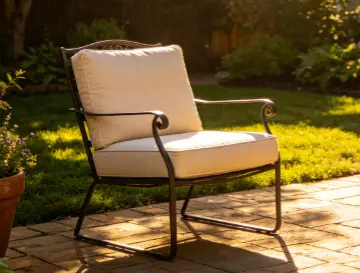
A good cushion can improve pressure distribution, make a rigid seat more pleasant for longer periods, and give an older chair a new purpose. But thicker is not automatically better, and softer is not always more supportive.
1. Choose the Right Seat Cushion
When selecting an outdoor cushion, look at four factors together:
- Thickness
- Filling
- Fit
- Outdoor suitability
Deep-seating patio chairs often use thicker cushions than standard dining chairs. Reference ranges commonly used in outdoor furniture discussions place dining or standard seating cushions at around 3–6 inches, while thicker constructions can provide a more substantial lounge-style feel.
Before publishing specific recommendations such as a 4-inch minimum or 5.5-inch finished thickness, verify that these figures match the products and evidence you plan to use.
2. Foam vs. Polyester Fiberfill
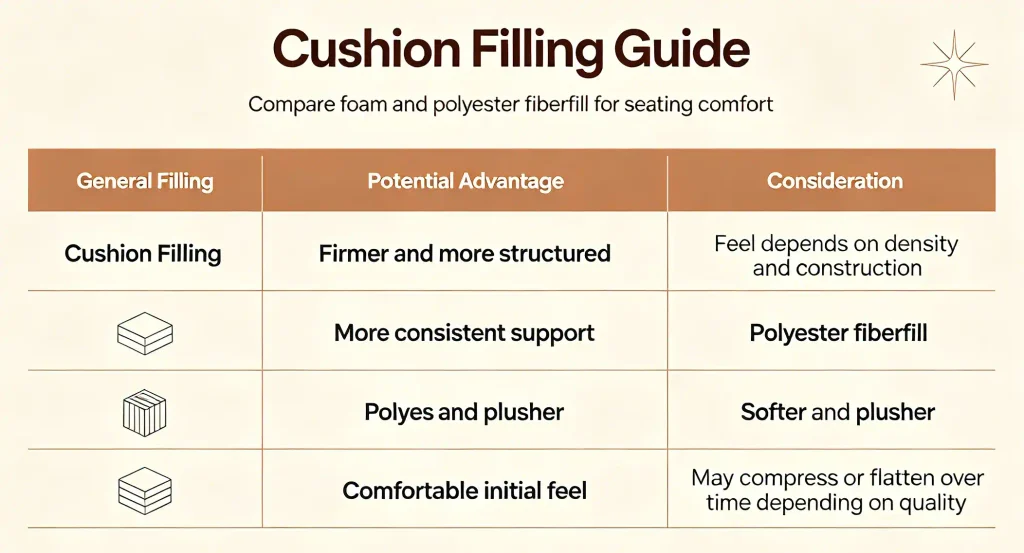
For longer sitting sessions, support can matter just as much as initial softness.
3. Add Back and Lumbar Support
Seat comfort and back comfort are not the same thing.
If your hips feel fine but your lower back does not, replacing the seat cushion may not solve the problem. Instead, consider adding:
- A full back cushion for general support
- A lumbar pillow for targeted lower-back support
- A higher cushion arrangement if the backrest is rigid
The goal is not to add as much padding as possible. Too much bulk can push your body into an awkward position or reduce the usable seat depth.
4. Keep Cushions From Sliding
A cushion that shifts every time you sit down can quickly become frustrating.
Look for:
- Tie straps
- Attachment points
- Fasteners
- Non-slip backing
- Dimensions that closely match the usable seating area
This is also a practical opportunity when shopping for outdoor furniture. Some Outsunny patio chairs collections combine built-in or coordinated cushions with chairs and seating sets designed to work together, helping reduce the guesswork involved in matching separate cushions to an existing frame.
Improve Support by Checking the Chair’s Dimensions and Design
Sometimes the cushion is not the problem. The chair may simply not suit the way you sit.
This is especially important when deciding whether to upgrade an existing chair or replace it.
1. Seat Depth: Dining and Lounging Need Different Designs
Seat depth has a major influence on posture.
As a general reference:
- Dining chairs: approximately 16–18 inches
- Deep-seating or lounge chairs: approximately 22–28+ inches
These ranges should be treated as reference points rather than rules for every body type or product.
Dining chairs are designed to support a relatively upright position and make it easier to move toward and away from a table. Lounge chairs generally prioritize a more relaxed posture and may use deeper seating.
For deeper chairs, one useful fit check is whether there is roughly 2–4 inches of space behind the knees when you sit comfortably against the backrest. Verify and adapt this guidance where necessary for your final article and intended audience.
If a chair is too deep, a shorter person may have to lean forward or use additional pillows simply to reach the backrest comfortably.
2. Seat Height and Width
Typical reference ranges often include:
- Seat height: approximately 17–19 inches for many dining chairs
- Seat width: approximately 18–22 inches for general adult seating
Seat height affects how comfortably your feet reach the ground and how easily you can stand up. For outdoor dining, it also affects compatibility with the table.
A common reference range for many dining tables is 28–30 inches high, with approximately 10–12 inches of clearance between the seat top and the table underside often used as a comfort guideline. Product dimensions should always be checked before purchasing.
3. Backrest Angle
Dining and lounging also require different seating angles.
A dining chair generally supports a more upright position. A reference range of approximately 100–110 degrees is often used when discussing dining comfort, while deeper lounge seating may allow a more relaxed recline.
The right choice depends on what you want to do.
4. Choose More Upright Support If You Mainly:
- Eat outdoors
- Work at an outdoor table
- Play games
- Entertain around a dining set
5. Choose More Relaxed Seating If You Mainly:
- Read
- Sunbathe in a shaded area
- Talk for extended periods
- Relax with a drink
- Spend long afternoons outdoors
This is one reason a chair that feels excellent for dining can feel uncomfortable for a two-hour reading session.
Choose Materials That Support Comfortable Outdoor Use
Outdoor materials should help you stay comfortable while also handling sun, moisture, and everyday use.
1. Cushion Fabrics
Common options include:
- Solution-dyed acrylic
- Olefin
- Polyester
- Quick-drying mesh or sling materials
When comparing them, do not look only at appearance. Consider:
- How quickly the material dries
- Whether it retains heat
- Breathability
- UV resistance
- Water resistance
- Ease of cleaning
Solution-dyed acrylic fabrics are widely associated with strong outdoor performance. If including claims about specific brands, expected lifespan, or UV performance—for example, a 5–10 year lifespan—use verified manufacturer information for the exact fabric or product being discussed.
Olefin and polyester can offer alternatives at different price points, but performance varies by construction and treatment.
2. Frame Materials
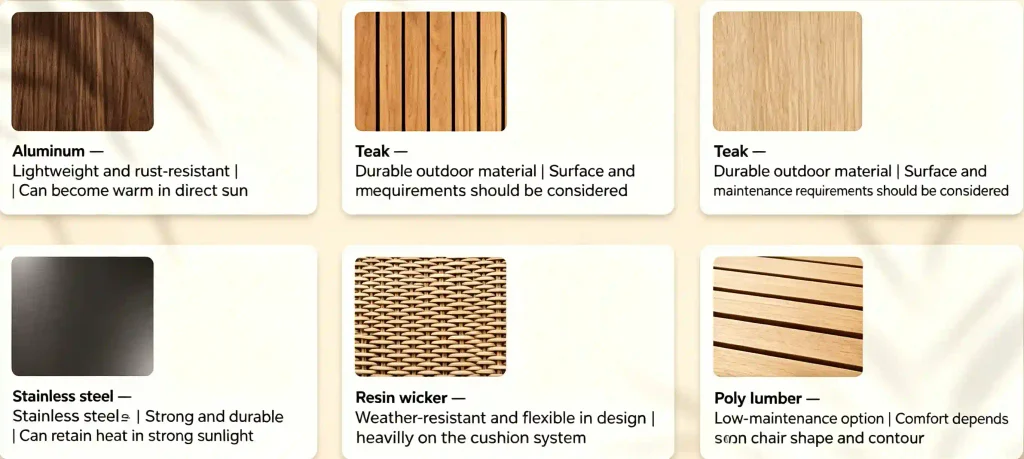
No material automatically creates a comfortable chair. The shape, support, temperature, and cushion design all work together.
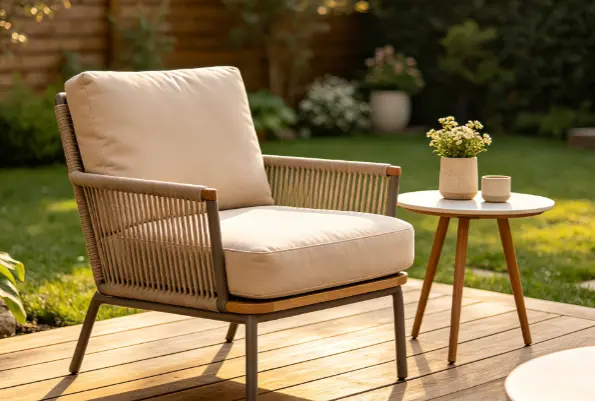
For example, an Outsunny wicker patio chair may combine a woven frame with separate padded cushions, allowing the seating structure and comfort layer to work together.
Add real details such as:
- Frame construction
- Cushion thickness
- Seat dimensions
- Cover material
- Removable cushion covers
- Product price
Then explain how these features relate to the user’s actual comfort needs.
Measure Your Existing Chair Before Buying Anything
A cushion can have excellent materials and still be uncomfortable if it does not fit.
Before buying, measure:
1. Seat Width
Measure the usable seating area. If the chair has arms, measure between the inside edges.
2. Seat Depth
Measure from the front edge of the usable seat to the backrest.
3. Seat Height
Measure from the ground to the top of the seating surface.
4. Backrest Height
This helps you evaluate whether a replacement back cushion will fit and provide support in the right area.
5. Existing Cushion Thickness
If you are replacing an old cushion, measure the current one and consider whether you need more support rather than simply a similar replacement.
Make the Outdoor Environment More Comfortable
Sometimes the chair itself is fine, but the environment makes sitting there unpleasant.
1. Add Shade
Direct sun can make:
- Metal armrests hot
- Dark cushions uncomfortable
- Some fabrics warmer to sit on
- Long outdoor sessions tiring
Depending on your patio layout, consider placing seating under:
- A patio umbrella
- A gazebo
- A pergola
- A canopy
An Outsunny patio umbrella, pergola, gazebo, or canopy can complement a seating area by improving shade and making the space more usable during bright parts of the day.The product should be selected according to the size and layout of the seating area rather than added as a generic accessory.
2. Improve Airflow and Placement
If possible:
- Avoid placing chairs against heat-reflecting walls
- Use naturally breezy areas
- Leave enough space between furniture for comfortable movement
- Position seating close to the areas where people actually socialize
Comfort is partly physical and partly practical. A comfortable chair placed far away from the rest of the patio may still go unused.
3. Add Useful Accessories
For certain seating styles, consider:
- Ottomans
- Footrests
- Side tables
- Outdoor rugs
- Lighting
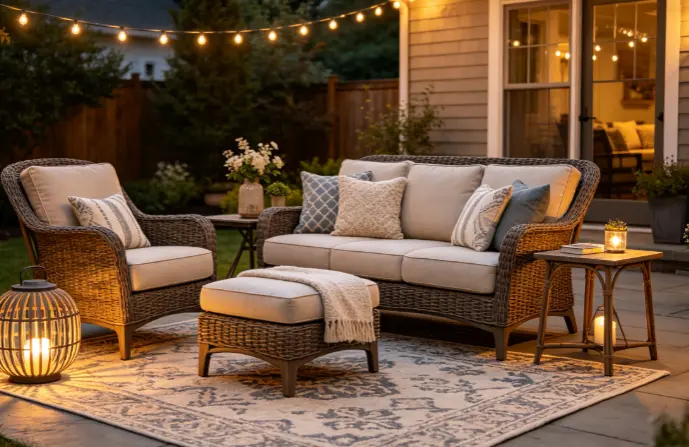
A footrest can support a more relaxed position, while a side table can make it easier to keep drinks, books, or other essentials within reach.
These accessories improve the overall seating experience, but they cannot correct a fundamentally unsuitable chair.
Keep Your Patio Chair Comfortable With Proper Maintenance
A comfortable outdoor chair can become less pleasant if cushions remain wet, fabrics become dirty, or the padding loses its shape.
1. Care for Cushions
Follow the manufacturer’s instructions, especially for:
- Spot cleaning
- Removable covers
- Machine washing
- Drying
- Storage
Mild soap and water may be suitable for some outdoor fabrics, but care instructions differ by product.
2. Protect Against Heavy Rain and Prolonged Moisture
Depending on the product and weather conditions:
- Store removable cushions when practical
- Allow wet cushions to dry completely
- Use suitable furniture covers
- Avoid trapping moisture beneath covers
The goal is not just to preserve appearance. Proper care can help maintain the feel and usability of the padding and fabric over time.
Should You Upgrade Your Existing Chair or Replace It?
This is the most important decision for many shoppers.
1. Upgrade the Existing Chair If the Basic Structure Works
Adding cushions or accessories may be worthwhile when:
- The frame is stable
- The seat dimensions suit you
- The backrest position is generally comfortable
- The main problem is a hard seat
- Existing cushions are worn or too thin
- You mainly need better back or lumbar support
2. Quick Examples
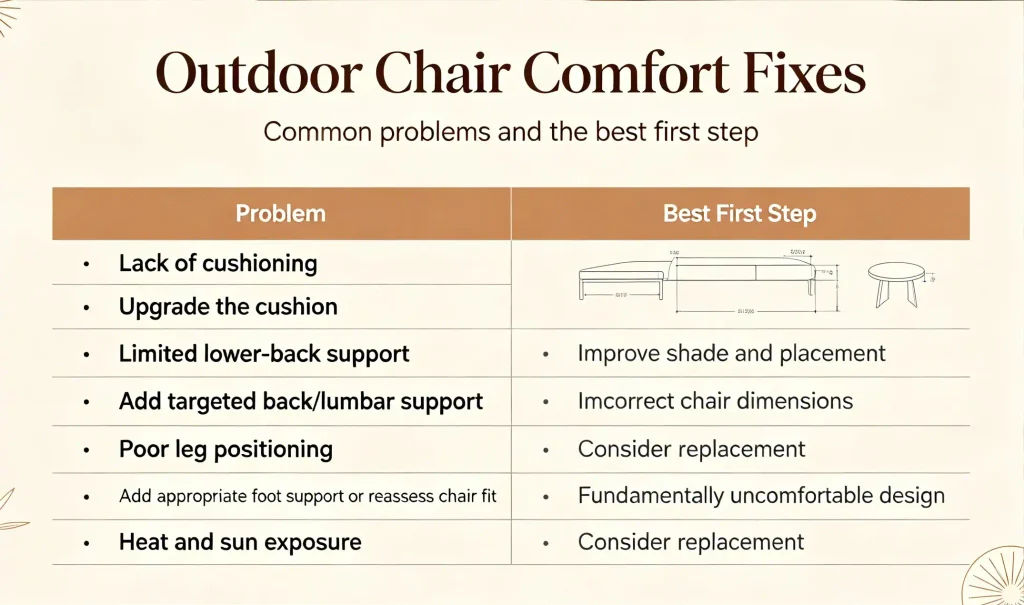
Hard seat → Add a supportive seat cushion.
Back feels unsupported → Add a suitable back or lumbar cushion.
Cushion keeps moving → Choose a better-fitting model or add secure attachment.
Feet need support while relaxing → Add an ottoman or footrest.
Consider Replacing the Chair If the Basic Design Is the Problem
Replacement may make more sense when:
- The seat depth is fundamentally unsuitable
- The backrest angle does not suit how you use the chair
- The chair is too narrow
- The structure provides poor support
- The frame is damaged
- You need several accessories just to make the chair tolerable
The Simple Decision Rule
If You Buy a New Chair, Choose It Based on How You Will Use It
Do not buy the softest-looking patio chair without considering its intended purpose.
1. For Outdoor Dining
Prioritize:
- A relatively upright seating position
- Dimensions compatible with your table
- Supportive backrest
- Comfortable arm positioning
- Easy movement in and out of the chair
An Outsunny outdoor dining set may be a practical choice for shoppers who want coordinated seating and table dimensions rather than trying to match separate pieces.
Add only verified details:
- Table height
- Chair seat height
- Chair dimensions
- Cushion information
- Materials
- Price
Then explain how those specifications support dining use.
2. For Reading and Relaxing
Prioritize:
- A more relaxed seating position
- Deeper seating
- Supportive cushioning
- Comfortable back support
- Optional ottoman or leg support
An Outsunny patio lounge chair, reclining chair, or cushioned conversation set may better match this type of use than a standard upright dining chair.
3. For Long Periods of Sitting
Prioritize a combination of:
- Consistent support
- Appropriate seat dimensions
- Back support
- Comfortable armrests
- Breathable materials
- Outdoor durability
The right chair is the one that suits your normal activity—not necessarily the one with the largest cushion.
Final Thoughts: The Best Comfort Upgrade Depends on the Problem
Making your patio chairs more comfortable does not always mean buying the thickest cushion or replacing your entire furniture set.
Start by identifying the source of the discomfort. If the chair has the right dimensions and a solid structure, better cushioning, back support, a lumbar pillow, or improved positioning may be all you need. If the chair’s depth, angle, or overall design does not suit your body or the way you use your patio, replacement may be the better long-term investment.
When comparing Outsunny patio chairs, outdoor seating sets, cushions, loungers, and shade solutions, use the product specifications to answer practical questions:
- Does the chair fit the intended use?
- Do the seat dimensions work for the user?
- Does the cushion provide the level of support needed?
- Are the materials suitable for the local outdoor environment?
- Can the product be maintained easily?
The most comfortable patio chair is not necessarily the softest one. It is the one that combines the right fit, support, cushioning, seating position, materials, and intended use.
FAQs
1. How to make an uncomfy patio chair comfy?
Start by adding thick, weather‑resistant seat cushions to relieve pressure on hips and thighs. Lumbar pillows provide extra lower‑back support if the chair backrest lacks ergonomic shaping. If the seating frame creates poor posture even with pillows, consider combining portable padding with small adjustments like adding an ottoman for leg rest. Avoid relying only on cushions to fix poorly designed chairs.
2. What can I put on my chair to make it more comfortable?
Weather‑proof seat and back cushions are the most popular upgrade. You can also add outdoor lumbar pillows for lower‑back support, throw blankets for cool evenings, and footrests or ottomans to ease body tension. Choose fabrics rated for outdoor use to resist fading, moisture and mildew.
3. What are some comfortable outdoor furniture options that don’t require cushions?
Well‑contoured teak, poly‑lumber, and molded resin chairs deliver comfort without cushions, shaped to support hips and backs. Ergonomic metal sling chairs are another great choice. When shopping, test seat depth and back curvature; solid hard‑surface styles rely entirely on frame shaping for comfort.
4. How can I make my patio feel cozy?
Layer functional decor: add an outdoor rug to define the seating zone, incorporate soft lighting such as string lights or lanterns, bring in potted plants for warmth, and add ottomans or side tables for convenience. Arrange seating to create intimate conversation areas, and include small weather‑safe textiles like outdoor throw pillows and blankets to boost a welcoming feel.

Outdoor ideas, buying guidance, and category inspiration for shoppers comparing official Outsunny products on Aosom.